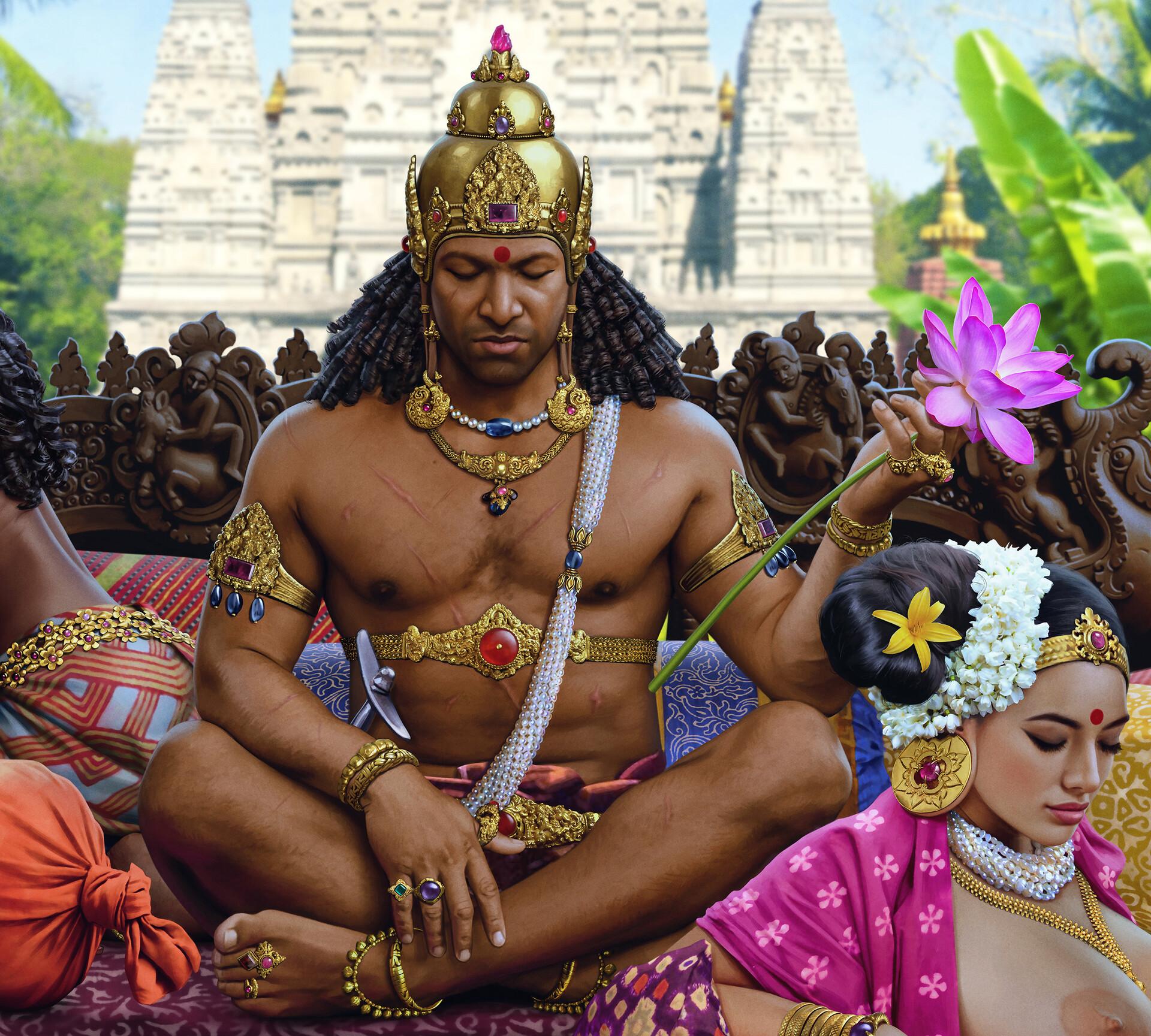
Skandagupta
SKANDAGUPTA, Gupta emperor of India from 455 to 467 CE. The Gupta dynasty reigned India from the early 4th to late 6th centuries CE.
Skandagupta is mostly known for having restored the Gupta Empire’s former glory and having successfully stopped the invasion of India by the Kidara Huns. The Huns were a multi-ethnic confederacy of Eurasian nomadic tribes that probably originated from the Xiongnu (an earlier nomadic confederacy that ruled eastern Siberia and the Mongolian steppe at the time of the Han Empire of China). During their migration to the west, the Huns divided themselves into different groups, expanding in different directions. The Kidarites were the first of the Hunnic clans that invaded Bactria and northwest India in the 4th century CE. The Kidarites were eventually defeated simultaneously by the Sassanids of Persia and the Guptas of India, and in the 5th century they were succeeded by other Hunnic dynasties that also caused trouble in Persia and India, the most important of which were the Hephthalites, who ruled Central Asia, and the Alchons, who ruled northwest India. Under the rule of the self-proclaimed “great king of kings” Toramana, the Alchon Huns penetrated as far as central India and defeated the armies of the Gupta Empire, ultimately contributing to its collapse. Around the same time as the Kidarite invasion of India, another branch of the Huns invaded Europe, and under the rule of their most famous king, Attila, contributed to the collapse of an already agonising Western Roman Empire, penetrating as far west as northern Gaul alongside the Germanic tribes.
The Gupta period has been called by some the “Golden Age of India” (I guess this can be debatable). What can’t be denied however is that Indian art and architecture flourished during that time. Many of the defining elements of the Medieval Indic civilizations of South and Southeast Asia, such as towering stone temples, kings and deities with golden crowns, etc, were popularized during the Gupta period. This illustration is based on the mural paintings of the Ajanta Caves, a UNESCO World Heritage Site.